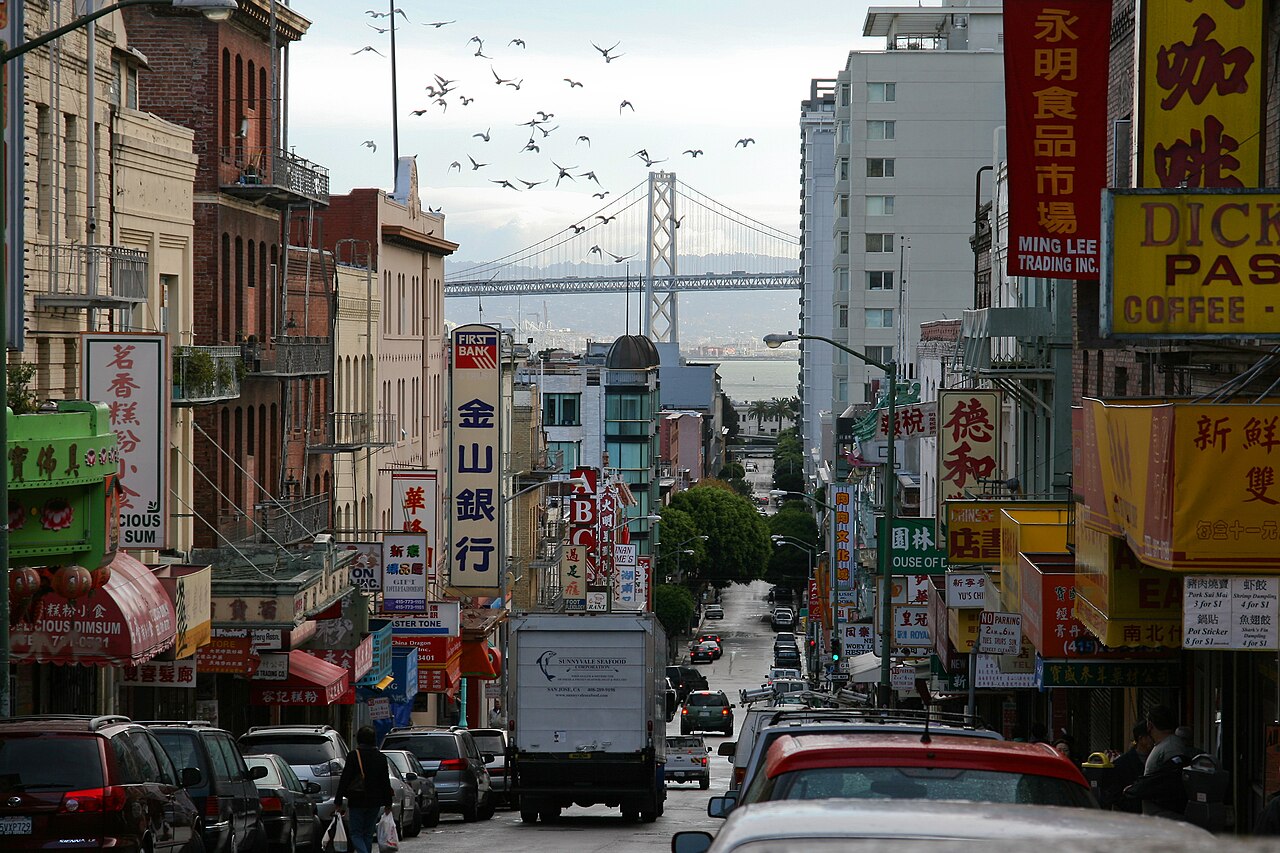
Nestled in the bustling heart of San Francisco lies a truly remarkable destination: Chinatown San Francisco. More than just a neighborhood, it's a vibrant, living testament to history, culture, and resilience. As North America's oldest Chinatown and one of the largest Chinese communities outside of Asia, it draws more visitors annually than even the iconic Golden Gate Bridge. From its rich historical roots to its bustling modern-day charm, exploring Chinatown San Francisco is an immersive journey into another world, offering an unparalleled cultural experience right within an American metropolis.
Stepping into History: The Enduring Legacy of Chinatown San Francisco
The story of Chinatown San Francisco begins in 1848, sparked by the promise of the California Gold Rush. Chinese immigrants, primarily from Guangdong province, arrived seeking new opportunities, establishing what would become the first Chinatown in North America. This community rapidly grew, its laborers playing a pivotal role in the construction of the Transcontinental Railroad in the 1860s, a monumental feat that reshaped the American landscape. Despite facing immense challenges, including widespread anti-Chinese discrimination and the devastating Chinese Exclusion Act of 1882, the community persevered, creating a vibrant cultural and economic hub that spans 24 bustling city blocks today.
Walking through Chinatown San Francisco, you don't just see history; you feel it. The district's distinctive architecture, characterized by ornate pagoda-style rooftops and intricate detailing, tells a visual story of a community determined to maintain its identity. This neighborhood is a powerful example of cultural preservation, where Cantonese traditions, language, and customs thrive amidst the modern American urban fabric. It’s a place where every alleyway and building facade whispers tales of endurance, enterprise, and cultural pride, inviting visitors to delve deeper into its profound legacy.
The Dragon Gate: An Auspicious Welcome
Your journey into Chinatown San Francisco often begins with a grand flourish at the Dragon Gate on Bush Street, where Grant Avenue ushers you into the district's vibrant heart. This magnificent, much-photographed structure isn't just an entrance; it's a symbol of cultural pride and a bridge between worlds. Adorned with auspicious dragons, graceful koi fish, and flanked by two stately stone lions, the gate is an authentic replica of those found in traditional Chinese towns.
A generous gift from Taiwan in 1969, the Dragon Gate also carries a profound message: a quote in Chinese from Dr. Sun Yat-sen, the revered founder of the Chinese Republic, proclaiming, "All under heaven is for the good of the people." Positioned conveniently near Union Square, the Dragon Gate serves as an ideal starting point for your exploration, setting the tone for the rich cultural tapestry you are about to encounter.
Exploring the Heart of the District: Grant Avenue vs. Stockton Street
Chinatown San Francisco offers two distinct, yet equally captivating, experiences depending on which main thoroughfare you choose to explore: the picturesque Grant Avenue or the authentic Stockton Street. Each offers a unique perspective on the neighborhood's multifaceted character, and the best way to truly understand Chinatown is to experience both.
Grant Avenue: The Tourist’s Delight
Grant Avenue is perhaps the most famous and visually striking street in Chinatown San Francisco. It's designed to enchant visitors, with its vibrant display of Chinese lamp posts, a cascade of red lanterns, and buildings adorned with whimsical, Chinese-style decorative flourishes. This picturesque street is where most of the tourist-oriented businesses thrive, offering an array of souvenir shops, art galleries, and restaurants catering to an international palate.
A stroll down Grant Avenue is an experience in itself, a delightful immersion into a kitschy yet charming interpretation of Chinese aesthetics. Don't miss the two historically significant buildings at the intersection of Grant and California Streets. These were among the first structures erected in Chinatown after the devastating 1906 earthquake, deliberately designed in a distinctive Chinese style to attract tourists and to safeguard the community's location from relocation efforts. Today, the iconic California Cable Car line conveniently passes by these architectural gems, making it a perfect spot to hop off and begin your exploration.
Stockton Street: The Local's Haven
Just one block uphill and running parallel to Grant Avenue, Stockton Street presents a starkly different, yet equally compelling, face of Chinatown San Francisco. This is where the local Chinese residents conduct their daily lives, offering an authentic, unvarnished glimpse into the community's heart. Stockton Street is a sensory explosion, bustling with fresh produce markets, live poultry shops, traditional herbal apothecaries, and bakeries. The prices here are generally lower, and the atmosphere is genuinely reminiscent of a street market in China.
On Stockton Street, you'll encounter a vibrant tapestry of daily life: residents haggling for the freshest ingredients, grandmothers chatting in Cantonese, and the rich aromas of roasting ducks and exotic spices filling the air. It’s a street where English might be less common, reflecting the fact that many residents are recent arrivals, preserving the linguistic and cultural nuances of their homeland. While Grant Avenue entertains, Stockton Street truly educates, offering an intimate window into the day-to-day rhythms of this densely populated and dynamic neighborhood.
Beyond the Main Avenues: Authentic Experiences and Community Insights
While Grant Avenue and Stockton Street offer compelling experiences, the true magic of Chinatown San Francisco often lies in its many intriguing side streets and hidden alleys. These quieter arteries are where the authentic life of the community truly unfolds, away from the main tourist thoroughfares. Wander off the beaten path, and you'll discover tucked-away temples, bustling laundries, traditional tea houses, and small, family-run businesses that have operated for generations.
This district holds the distinction of being the most densely populated neighborhood west of Manhattan. Its residents are almost exclusively Chinese, many of whom are recent arrivals and may speak little English, contributing to the feeling of having truly stepped into another culture. It's important to remember that beneath the vibrant facade, Chinatown San Francisco is also one of the city's economically challenged areas. With a median income significantly lower than the city average, a large portion of the community resides in single-room residential hotels, highlighting the incredible resilience and tight-knit nature of its inhabitants.
Exploring these authentic corners provides a deeper understanding of the community's challenges and triumphs. You'll find genuine Chinese bakeries offering delicious treats like egg tarts and mooncakes, traditional herbalists with shelves stocked with fascinating remedies, and local restaurants serving up regional specialties that are a far cry from typical American-Chinese fare. Don't be afraid to duck into a small courtyard or explore a narrow passageway; these are the places where the soul of San Francisco Chinatown's authentic culture truly shines.
Practical Tips for Your Chinatown San Francisco Adventure
- Getting There: Chinatown is conveniently located. It's a short walk from Union Square, and the California Cable Car line offers a scenic ride right through the district, with stops near the Dragon Gate and Grant Avenue.
- Best Time to Visit: Weekday mornings are generally less crowded, allowing for a more relaxed exploration. However, weekends offer a vibrant, bustling atmosphere that can be equally exciting. Cultural festivals and events are particularly lively.
- What to Eat: You absolutely *must* try the food! From authentic dim sum palaces and noodle houses to traditional bakeries and BBQ shops, the culinary scene is exceptional. Seek out places packed with locals for the most authentic experience. Don't leave without trying fresh-baked egg tarts or a steaming bowl of wonton soup.
- Shopping: Grant Avenue is excellent for souvenirs, unique gifts, and ornate decorative items. For everyday goods, fresh produce, and a more local shopping experience, head to Stockton Street. Prices vary, so whether you're looking for a bargain or a high-end item, you'll find it here.
- Wander and Observe: Don't stick solely to the main streets. Allow yourself to get a little lost in the side alleys and small lanes. This is where you'll find hidden gems and truly absorb the local atmosphere. Be respectful of residents' privacy, especially in residential areas.
- Wear Comfortable Shoes: Chinatown is best explored on foot. You'll be doing a lot of walking, often uphill on Stockton Street, so comfortable footwear is essential.
- Embrace the Senses: Let your senses guide you. Smell the incense from temples, listen to the myriad languages spoken, admire the vibrant colors of the shops, and taste the incredible array of foods. Chinatown is a truly multi-sensory experience.
Chinatown San Francisco is more than just a tourist attraction; it's a living, breathing cultural landscape that tells a powerful story of immigration, perseverance, and community. From its bustling streets and historic landmarks to its quiet, authentic alleyways, every corner offers a new discovery. Whether you're drawn by the history, the food, the shopping, or simply the desire to step into another world, a visit to this iconic neighborhood promises an unforgettable and deeply enriching experience.